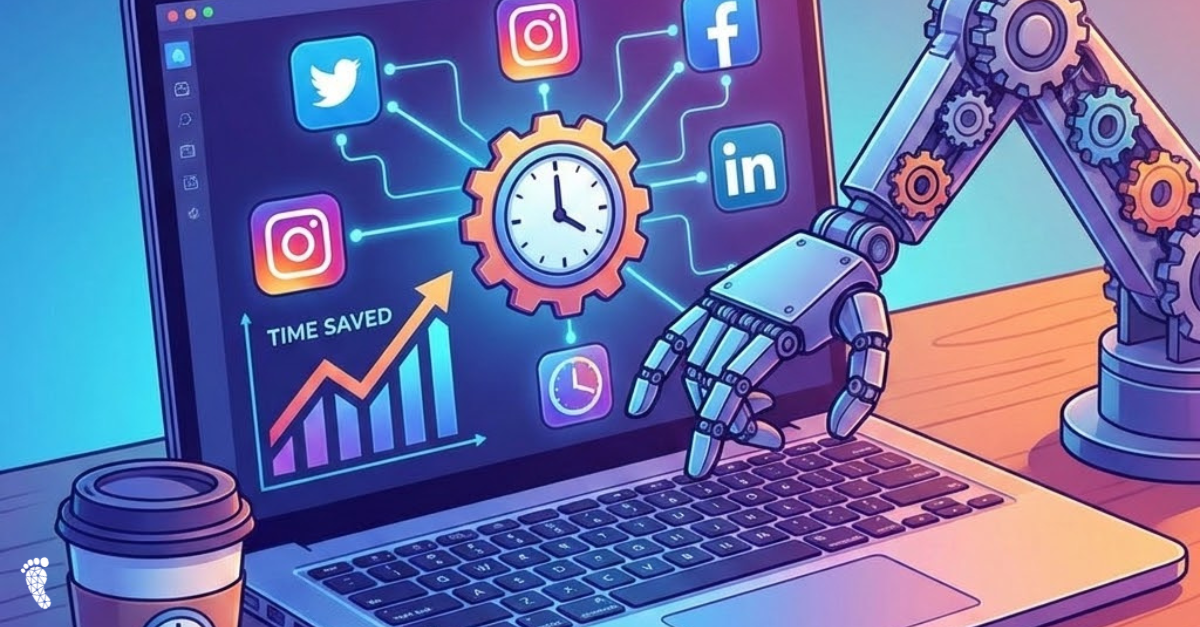

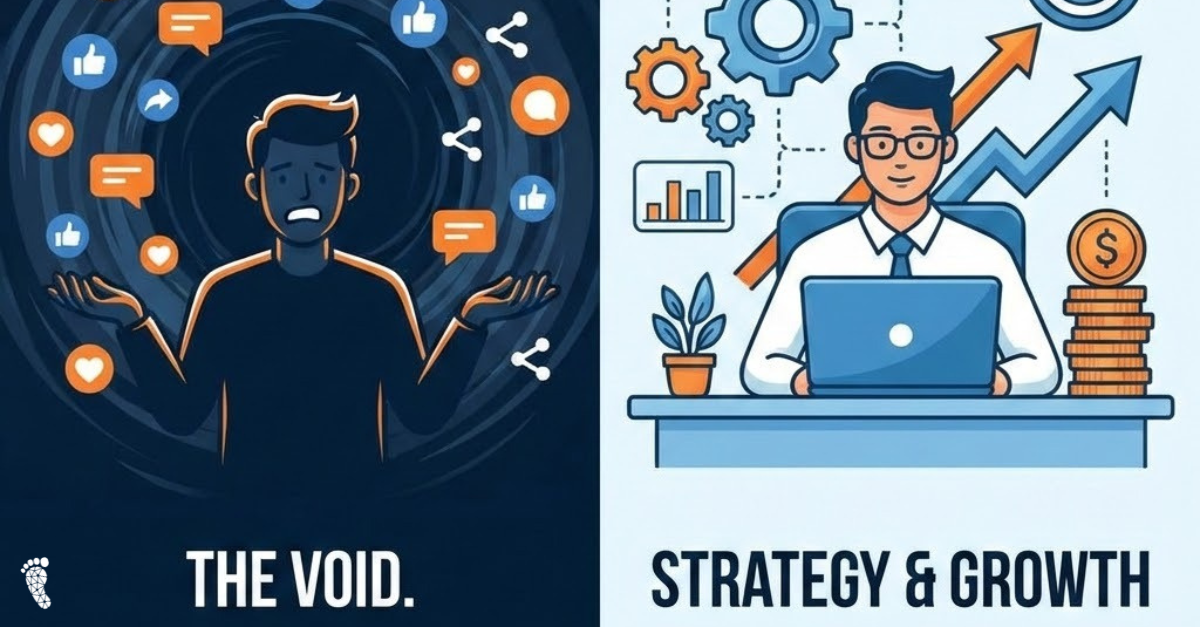
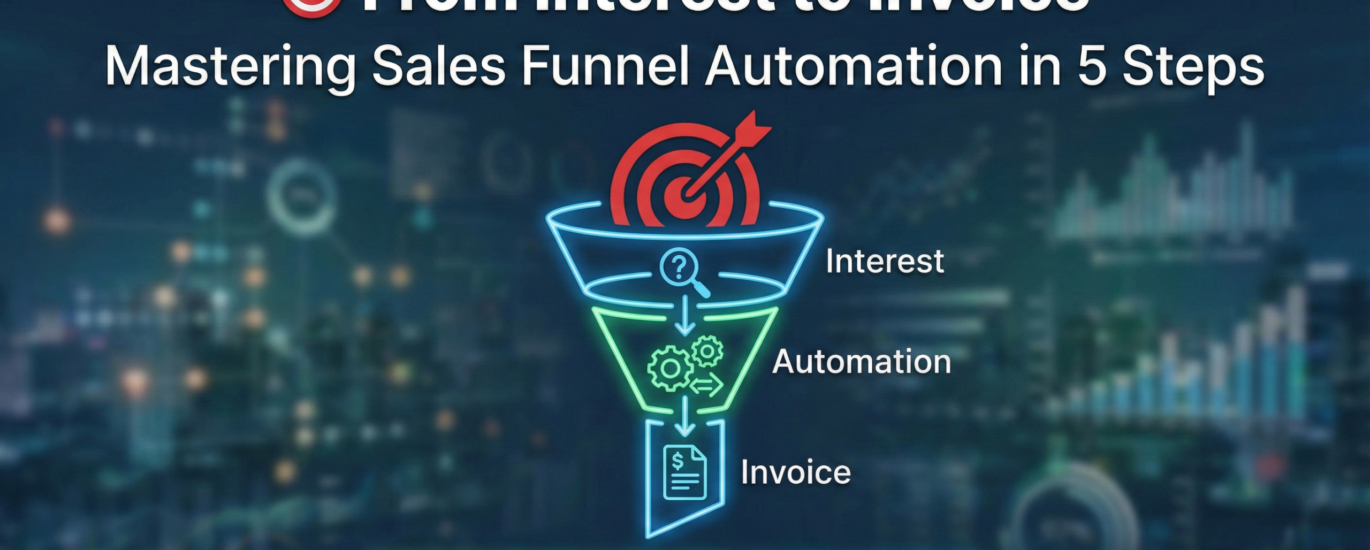
The most successful businesses don’t rely on chasing every single lead manually; they rely on the power of Sales Funnel Automation. This systematic process defines a clear path, taking a cold visitor, warming them up with targeted content, and guiding them toward a purchase—all while you sleep.
If you’re ready to scale your business and generate consistent revenue without constant effort, building your first automated funnel is the next essential step.
At Vsmith Media, we’ve broken down this seemingly complex task into five essential and actionable phases.
Step 1: Define Your Target and Conversion Goal for the Sales Funnel (The Map)
Before you build the road, you need to know the destination. A vague funnel leads to vague results.
- The Fix:
- Define Your Ideal Customer Profile (ICP): Who specifically is this funnel targeting? What are their biggest pain points that your product solves?
- Identify the Conversion Goal: What is the specific action you want them to take at the end? (e.g., Purchase a $99 Starter Kit, Book a $500 Consulting Hour, Sign up for a Free Trial).
- Determine Your Lead Magnet: What valuable, free incentive will you offer at the top of the funnel (TOFU) to capture their email? (See our previous article on irresistible lead magnets!).
Step 2: Build the Automated Lead Capture System (The Gate)
This is the beginning of the automation where you turn a passive visitor into an identifiable lead.
The Components:
- Landing Page: A dedicated, clean, and highly focused page with no navigation links. Its sole purpose is to clearly present the value of your Lead Magnet and capture the user’s information.
- Opt-In Form: Simple, as discussed before (Name and Email are often sufficient).
- CRM/Email Provider Integration: Ensure that when the visitor hits “Submit,” their details are automatically added to your CRM or Email Marketing platform (e.g., HubSpot, Mailchimp, ActiveCampaign) and immediately tagged as a new lead for this specific funnel.
Step 3: Implement the Nurturing Sequence within Your Automation (The Warming Stage)
This is where automation truly shines. You will use a pre-written, sequenced email series to build trust, establish authority, and educate the lead. (Use the structure from our “Beyond ‘Thank You'” article!)
- The Automation: Set up an automation workflow (or drip campaign) within your email platform. The rule is simple: When a person is added to the “Funnel X Lead” tag, start the 3-5 email Welcome/Nurture series. The Content Series
- Email 1: Deliver the Lead Magnet and build trust.
- Email 2-3: Solve common problems related to your core service and introduce social proof (case studies, testimonials).
- Email 4: Introduce the core offer/product.
Step 4: Present the Low-Friction Offer to Convert the Funnel Lead (The Transition)
By the end of the nurturing sequence, your lead should understand their problem better and view your brand as the expert solution. Now, it’s time to prompt the first conversion.
- The Offer: The content of the final email in the nurture sequence must lead to a specific, irresistible offer that aligns with your goal from Step 1.
- Tip: If your final goal is a high-ticket item, the initial offer here should be a small, commitment-free step, like a discovery call or a low-cost audit. This converts them from a lead to a customer (even if they’ve only paid $1).
- The Delivery: This email contains a strong CTA that takes them directly to a dedicated sales page, a booking calendar (e.g., Calendly), or a shopping cart.
Step 5: Test, Measure, and Optimize Your Sales Funnel Automation (The Refinement)
A funnel is never truly “finished.” The power of automation is the ability to constantly track performance and make data-driven improvements.
The Metrics to Track:
- Conversion Rate (Step 2): Percentage of visitors who become leads on your landing page.
- Open Rate & Click-Through Rate (Step 3): Which emails are engaging and which are being ignored?
- Goal Conversion Rate (Step 4): Percentage of leads who complete the final desired action (purchase, booking, etc.).
- The Optimization: If your conversion rate from visitor to lead is low, test a new headline or lead magnet. If your email click-through rate is low, rewrite the subject lines. If the final sale rate is low, try a different offer or guarantee.
| Funnel Step | Purpose | Key Action | Automation Tool |
| 1. Define | Strategy & Goal Setting | Determine Lead Magnet & ICP | Internal Planning |
| 2. Capture | Turn Visitors into Leads | Landing Page & Opt-in Form | Landing Page Builder & CRM |
| 3. Nurture | Build Trust & Authority | Automated Email Sequence | Email Marketing Platform |
| 4. Convert | Prompt the First Sale | Present Low-Friction Offer | Dedicated Sales Page |
| 5. Optimize | Refine Performance | Track Metrics & A/B Test | Analytics & CRM Reports |
The Invoice Awaits
Automating your sales process isn’t about removing the human element; it’s about ensuring that every lead gets the right information at the right time, freeing you up to focus on strategy and serving your paying clients.
Start building your funnel today and watch the invoices flow in automatically.
💡 Would you like Vsmith Media to demo the our digital footprints CRM and marketing automation tools tailored for your specific business size and industry?